" height="44.9999542236px" id="D2n7KwITb" transform="translate(22.5 0)" width="37.5px"/><path d="M 0 22.5 L 22.5 22.5 L 22.5 0 Z M 19.191 19.191 L 7.988 19.191 L 19.191 7.988 Z" fill="rgb(255, 234, 0)" height="22.5px" id="r8yrV6Ym6" transform="translate(0 22.5)" width="22.499936117px"/><path d="M 0 22.5 L 0 0 L 22.5 0 L 22.5 22.5 Z M 19.191 3.309 L 3.309 3.309 L 3.309 19.191 L 19.191 19.191 Z" fill="rgb(255, 0, 26)" height="22.50000205642px" id="HkttCdpAI" transform="translate(0 0)" width="22.5000134408px"/><path d="M 10.227 5.114 C 10.227 7.938 7.938 10.227 5.114 10.227 C 2.289 10.227 0 7.938 0 5.114 C 0 2.289 2.289 0 5.114 0 C 7.938 0 10.227 2.289 10.227 5.114 Z" fill="rgb(255, 0, 26)" height="10.227310000000001px" id="X_Hp2kGsw" transform="translate(6.257 6.396)" width="10.227339999999998px"/><path d="M 6.617 5.113 C 6.617 4.283 5.944 3.609 5.113 3.609 C 4.283 3.61 3.609 4.283 3.609 5.113 C 3.609 5.944 4.283 6.617 5.113 6.617 L 5.113 10.227 L 4.85 10.221 C 2.149 10.084 0 7.849 0 5.113 C 0 2.289 2.289 0 5.113 0 C 7.937 0 10.227 2.289 10.227 5.113 L 10.22 5.377 C 10.083 8.079 7.849 10.227 5.113 10.227 L 5.113 6.617 C 5.944 6.617 6.617 5.944 6.617 5.113 Z" fill="rgb(255, 0, 26)" height="10.227310000000001px" id="amWlbbgtf" transform="translate(6.257 6.396)" width="10.227339999999998px"/></svg>)
Phoenix Mercury
A film to bring the Mercury rebrand to life by turning its geometric rules, strict type system, and purple-orange palette into intentional but playful motion.
Motion with the X-Factor
The Phoenix Mercury rebrand introduced a system built on geometry, strong typography, and a focused use of purple and orange. My job was to take that structure and make it move in a way that felt confident and enjoyable. The brand spot and rebrand reveal were chances to show how a very organized identity could still feel alive once it entered motion.
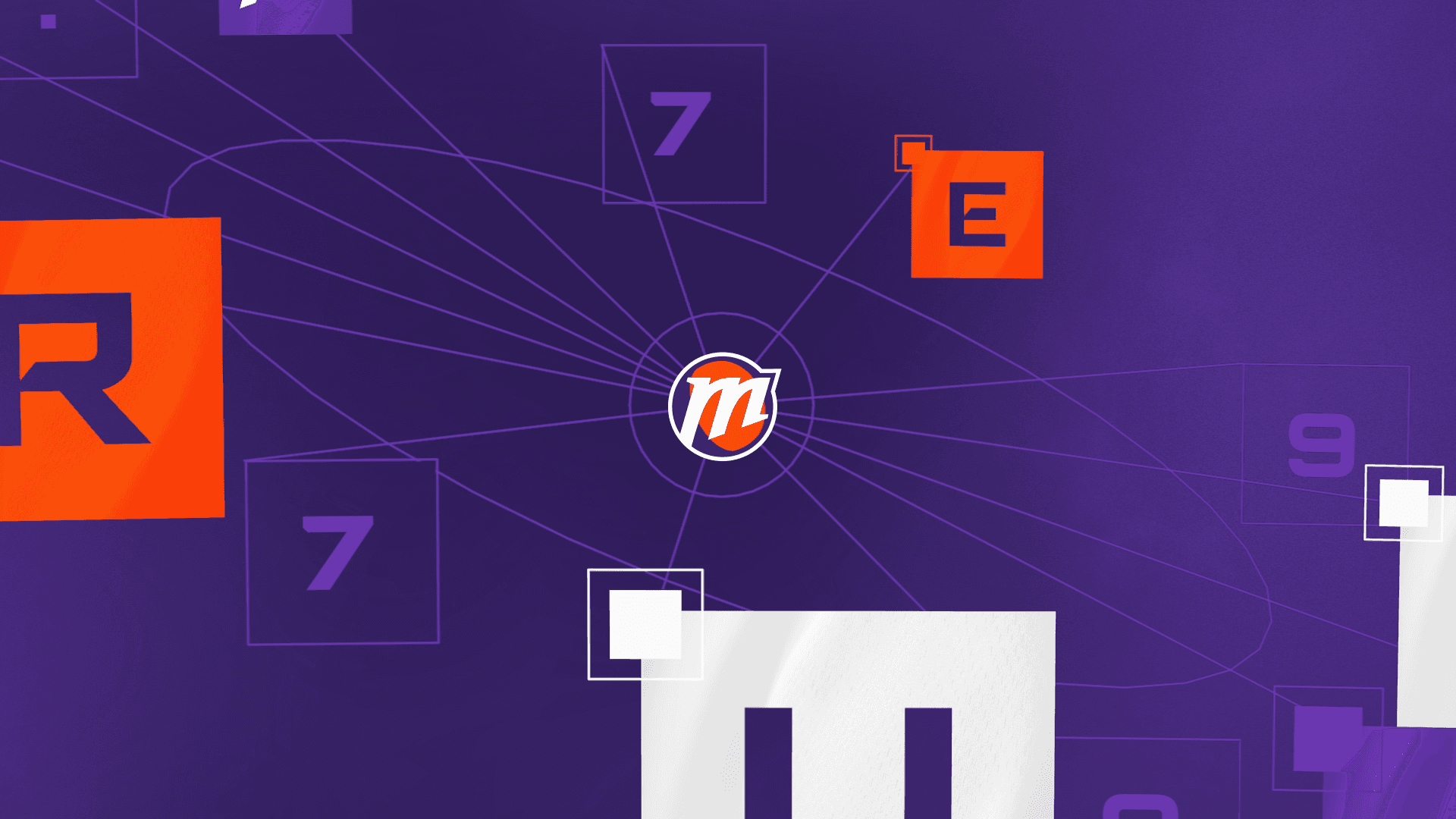
The guidelines acted like a set of tools. The 19.97 degree tilt from the founding year showed up everywhere, along with orbits, arcs, and the sharp angles inside the custom Mighty Merc type. I treated those details like working parts. They guided how elements slid, rotated, and revealed.
Designing the Playbook
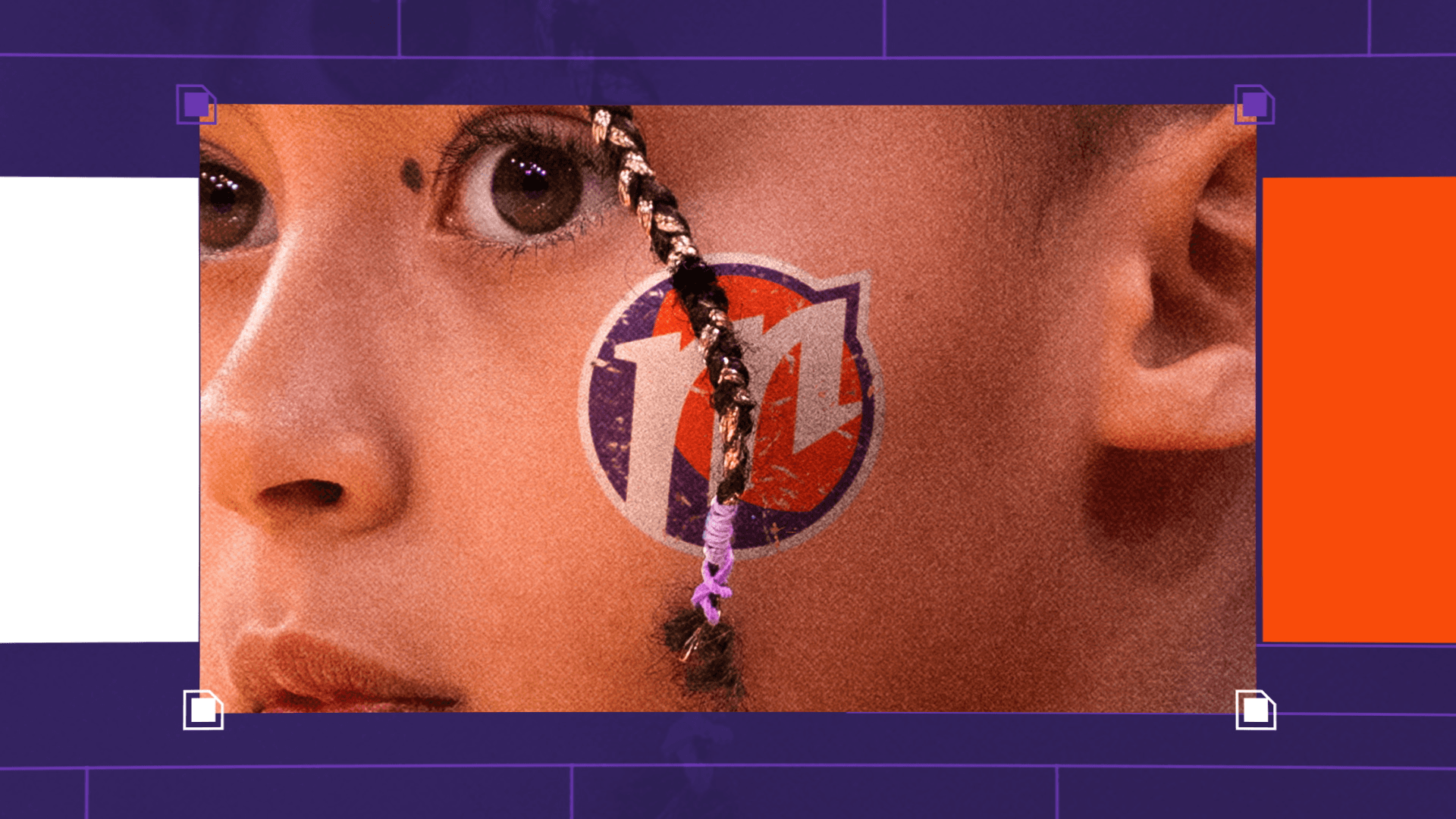
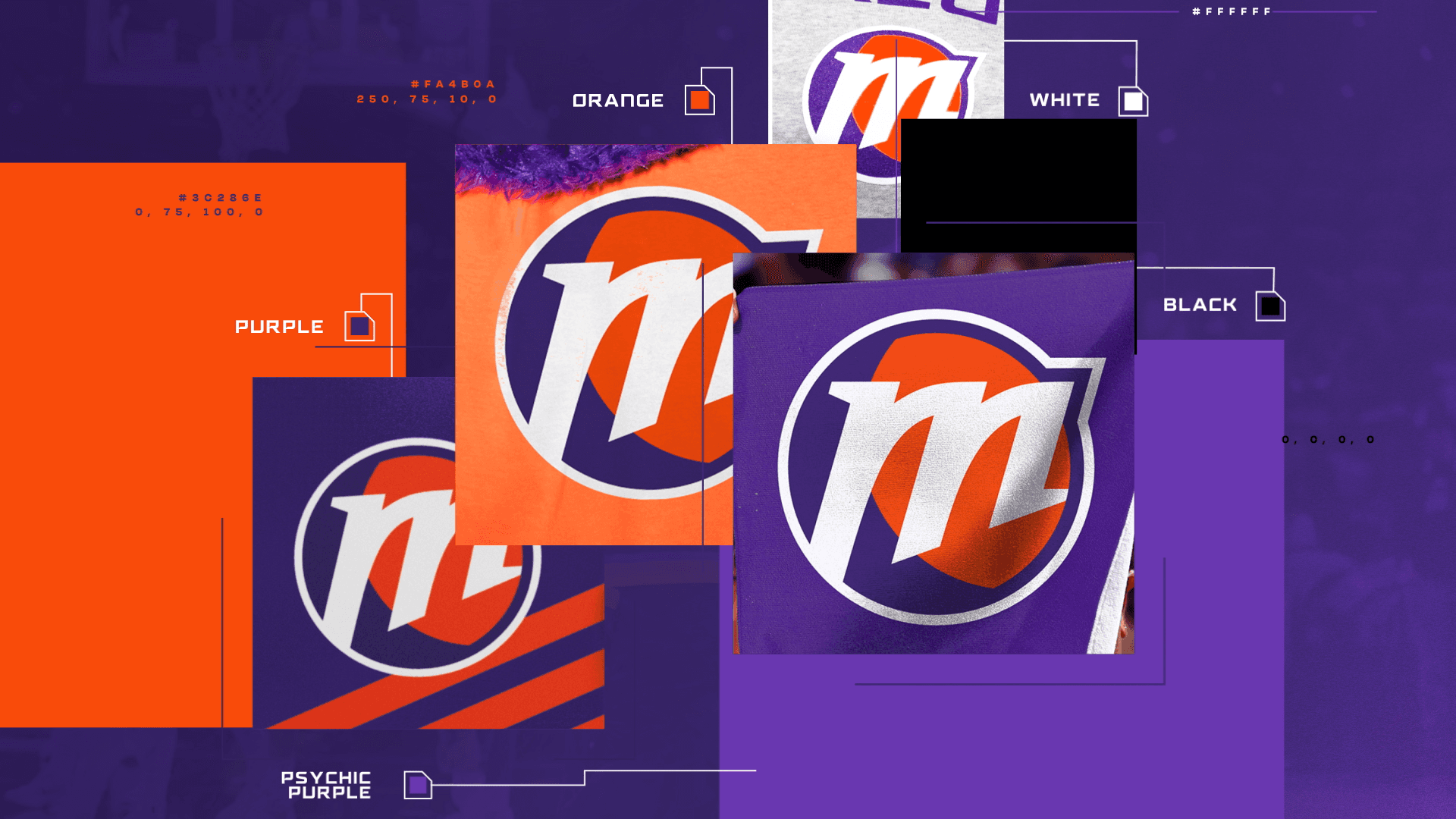
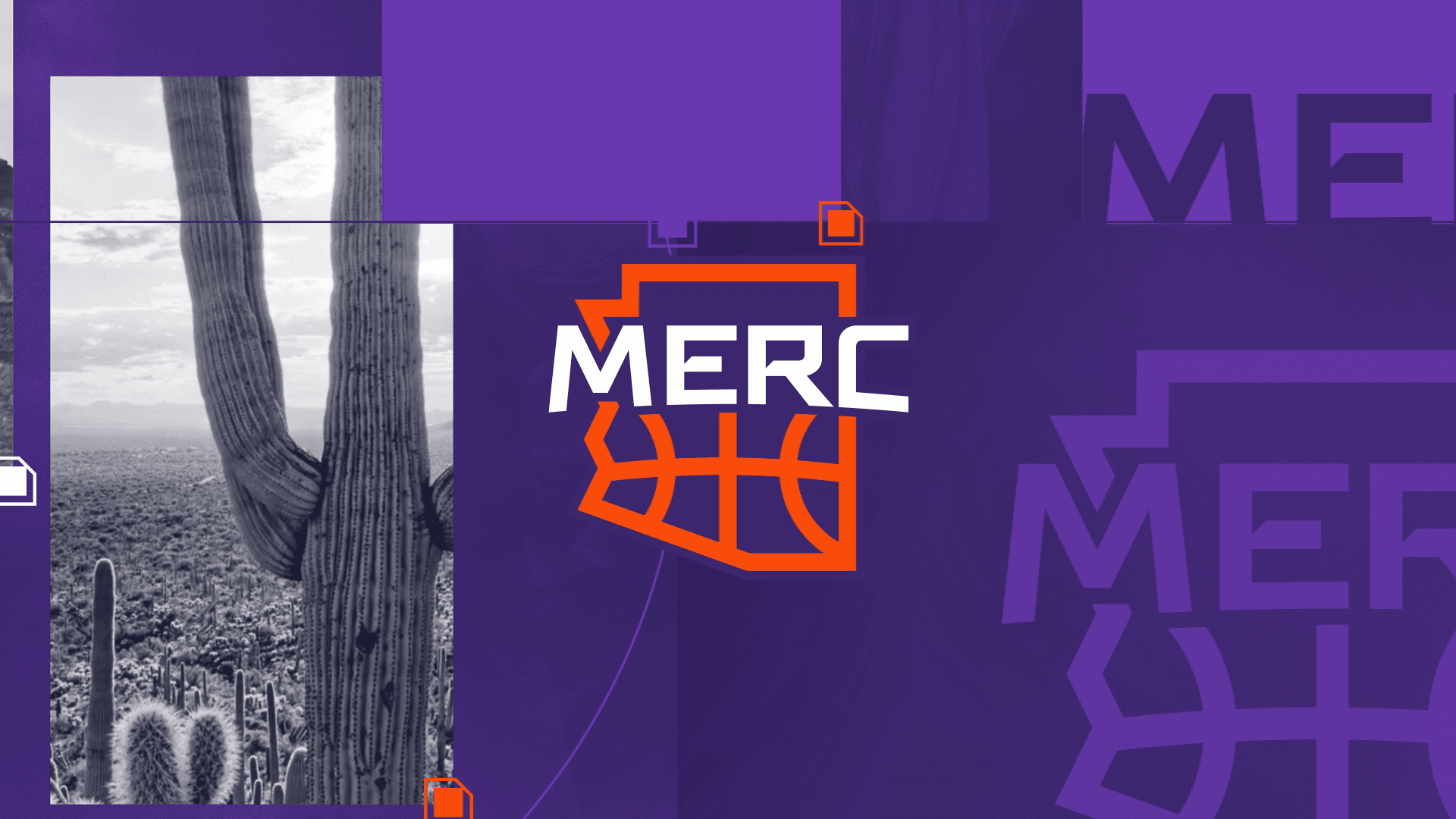
The styleframes helped build the tone from the beginning. Curved grids, diagonal cuts, and photo tiles created a simple kit that could scale in any direction. Jersey textures and embroidered details grounded everything so the visuals did not drift too far into space themes. Even with a very Swiss layout influence, there was room to add personality. Small shifts in spacing, unexpected crops, and light touches of color added just enough playfulness to keep the system from feeling stiff.
Built for the Fans Who Never Sit Still
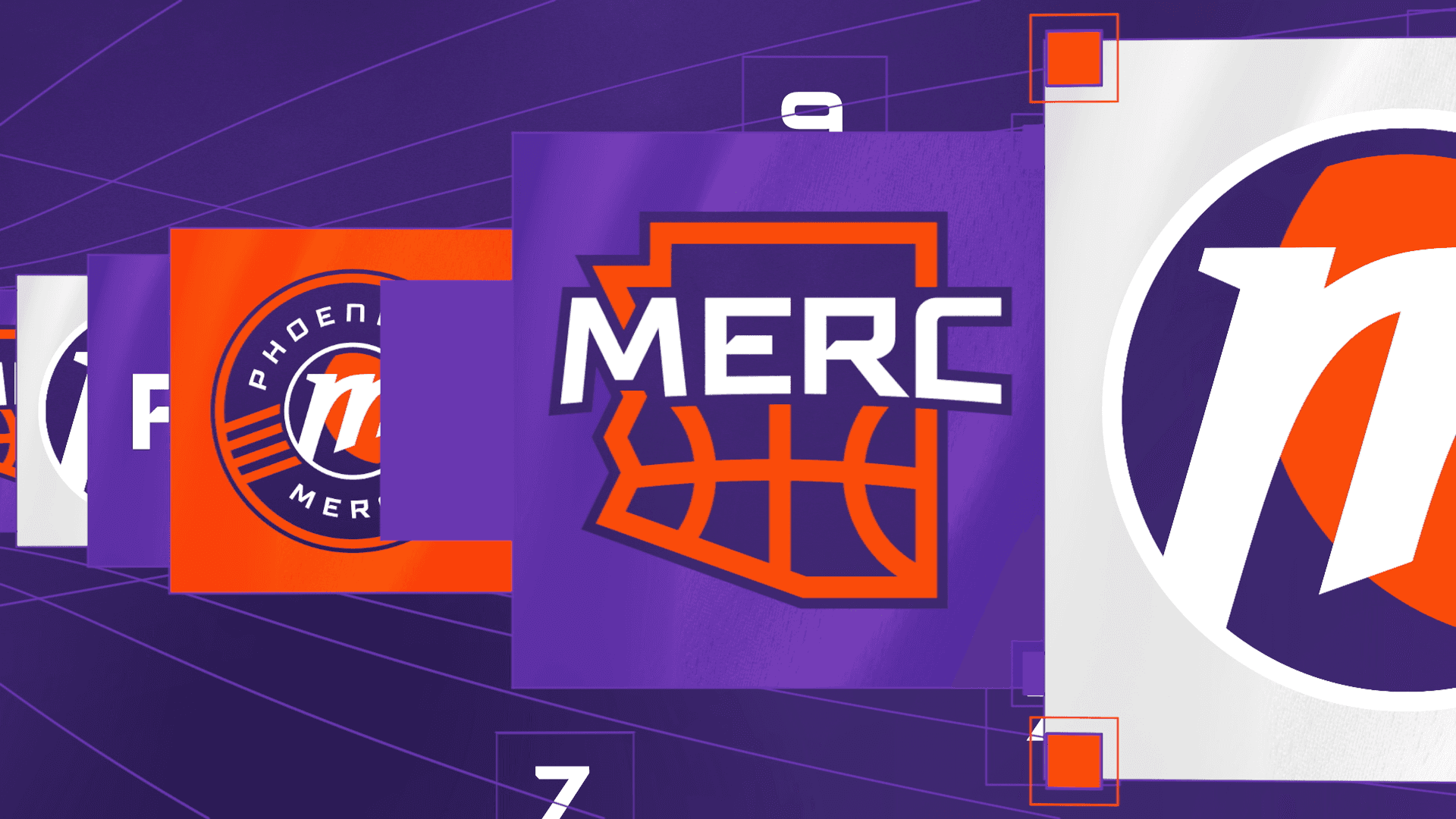
In animation, the goal was clear. Move with intention, then add a moment of energy. Orbit paths and angled masks created steady motion, while faster cuts and quick accents delivered the fun factor. Wordmarks arrived with clean, mechanical precision. Logos followed circular paths that echoed their construction. Photo tiles locked together with a slight snap that made the system feel engineered rather than random.
The final film introduced the new identity with clarity and momentum. It showed that a brand built from rules can still feel warm and expressive when the motion is thoughtful. The project became the foundation for how the Mercury identity behaves across broadcast, arena, and digital platforms, proving that structure and play can work together when the motion system is designed with intention.